Thailand remains a premier holiday destination, but beneath the welcoming smiles lies a strict legal code that can turn a dream vacation into a nightmare. Seemingly innocuous actions—like stepping on a banknote or vaping on a balcony—can lead to massive fines, deportation, or even decades in prison. Our analysis of the latest regulations confirms a zero-tolerance approach to royal defamation, drug possession, and environmental protection that every tourist must understand before landing.
Key Takeaways
- Royal Inviolability: Insulting the monarchy (Lèse-majesté), including damaging banknotes with the King's image, carries a prison sentence of 3 to 15 years.
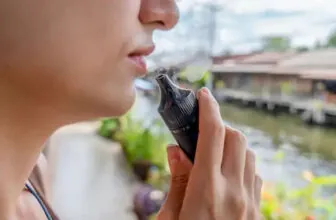
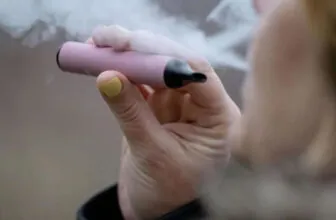
- Vape Ban: Importing or using e-cigarettes is strictly illegal, punishable by up to 10 years in prison or a fine of 1 million baht.
- Marijuana Reversal: As of 2025, recreational marijuana is completely banned again; possession can lead to long prison terms.
- Environmental Fines: Feeding fish or collecting coral can result in a 100,000 baht fine (approx. $2,800 USD).
The "Sacred" Laws: Monarchy and Religion
Examining the Thai Penal Code reveals that the monarchy is legally inviolable. The Lèse-majesté law is one of the strictest in the world. Any disrespect toward the King or the royal family—whether spoken, written online, or acted out—is a serious crime. This extends to physical objects bearing the royal image.
Tourists often unknowingly commit crimes by stepping on a fallen banknote to stop it from blowing away. Because the currency features the King's portrait, stepping on it is considered a grave insult. Similarly, crumpling money or defacing a poster can lead to immediate arrest. The authorities do not make exceptions for foreigners claiming ignorance.
The Vape and Smoke Crackdown
While many countries have embraced vaping, Thailand has criminalized it entirely. The import, storage, sale, or use of e-cigarettes and vapes is prohibited. The penalties are draconian: up to 10 years in prison or a fine of up to 1 million baht (approx. $28,000 USD). Tourists have been arrested simply for having a vape device in their luggage at customs.
Traditional smoking is also heavily restricted. Lighting up outside of designated zones—including beaches, parks, and near public buildings—can incur a fine of 100,000 baht. Additionally, littering creates its own hazard; spitting out chewing gum on the street is a specific offense punishable by a 50,000 baht fine or jail time.
Comparison Matrix: The Cost of Breaking Rules
To understand the severity of Thai law, we break down the penalties for common tourist mistakes.
| Offense | Potential Fine (Baht) | Prison Risk |
|---|---|---|
| Vaping / E-Cigs | Up to 1,000,000 THB | Up to 10 Years |
| Insulting Monarchy | N/A | 3 to 15 Years |
| Drone Violation | Up to 100,000 THB | Up to 5 Years |
| Feeding Fish/Coral | Up to 100,000 THB | Possible |
| Littering Gum | Up to 50,000 THB | Up to 1 Year |
The 2025 Marijuana Ban & Drug Policy
A critical shift occurred in 2025 regarding cannabis. After a brief period of decriminalization, Thailand has reinstated a total ban on recreational marijuana. Purchasing flowers, extracts, or using cannabis in public or private hotel rooms is now prohibited. The "weed tourism" era is officially over. Violators face long prison sentences, and smuggling large quantities can technically result in life imprisonment. The zero-tolerance policy applies to all narcotics, with severe penalties for possession of any amount.
Environmental and Cultural Etiquette
Thailand protects its natural resources aggressively. On beaches, actions like feeding fish, collecting shells or coral, and touching marine life are illegal. Authorities view this as disrupting the ecosystem, with fines reaching 100,000 baht. Culturally, tourists must also respect the "sacred head" and "unclean feet" dynamic. Touching a Thai person's head is offensive, as is pointing your feet at people or temples. Public displays of affection are frowned upon, and shirtless behavior is restricted to the beach.
Drone Regulations
Tech-savvy travelers must be cautious. Flying a drone with a camera (or any drone over 2kg) requires registration, a license, and specific insurance coverage of at least 1 million baht. Even with paperwork, flying over "No-Go Zones" like military sites, police stations, or national parks is a criminal offense punishable by up to 5 years in prison.
Can I bring my prescription meds to Thailand?
Only with prior permission. Strong prescription medications (especially those containing psychotropic substances) require a permit obtained in advance. Always carry the original prescription and keep meds in their original packaging.