Adult smokers seeking alternatives to combustible cigarettes encounter an expanding market of smoke-free technologies. While traditional cigarettes rely on burning cured tobacco leaves, modern substitutes use electrical heating elements and chemical formulations to deliver nicotine without open flame or smoke production.
Selecting an appropriate system requires understanding the mechanical differences, user inputs, chemical exposures, and regulatory controls that govern each product class.
Combustion vs. Heating: The Core Technological Shift
The health risks of conventional smoking stem directly from combustion. When a standard cigarette burns at temperatures exceeding 800 °C, the thermal decomposition of organic material produces thousands of chemical compounds, including dozens of established human carcinogens such as benzene, formaldehyde, and carbon monoxide.
Non-combustible technologies bypass thermal combustion entirely through two distinct approaches:
- Aerosolizing Liquid Solutions: Electronic cigarettes heat an e-liquid mixture composed of propylene glycol, vegetable glycerin, flavorings, and optional pharmaceutical-grade nicotine. Because no plant matter is present, combustion chemistry is entirely absent.
- Heating Real Tobacco: Heat-not-burn devices warm specially processed tobacco sticks to approximately 250 °C to 350 °C. This temperature releases an inhalable nicotine aerosol while keeping the substrate below the ignition threshold.
The Four Main Product Categories
Modern alternatives fall into four distinct hardware and consumable configurations, each serving different consumer preferences regarding maintenance, taste, and sensory feedback.
1. Heat-not-Burn Tobacco Systems
Heated tobacco systems cater to users who prefer the taste of real tobacco without smoke or ash. Manufacturers have built proprietary device ecosystems to manage precise heating curves:
- IQOS (Philip Morris International): Uses a ceramic heating blade inserted into proprietary HEETS or TEREA tobacco sticks to heat tobacco from the inside out.
- Glo (British American Tobacco): Employs external induction heating around Neo sticks to deliver a uniform, mild aerosol profile.
- Ploom (Japan Tobacco International): Utilizes targeted heat control systems with EVO sticks to maintain consistent aerosol temperatures.
2. Refillable Pod Systems and Open Vapes
Rechargeable e-cigarettes utilize liquid-filled cartridges (pods) or manual refill tanks. Closed pod systems use pre-filled, click-in cartridges that eliminate direct handling of liquid, while open pod systems allow users to manually fill tanks with bottled e-liquids. Modern devices often incorporate digital displays, airflow adjusters, and smartphone connectivity to track consumption.
3. Disposable E-Cigarettes
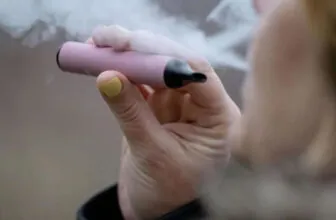
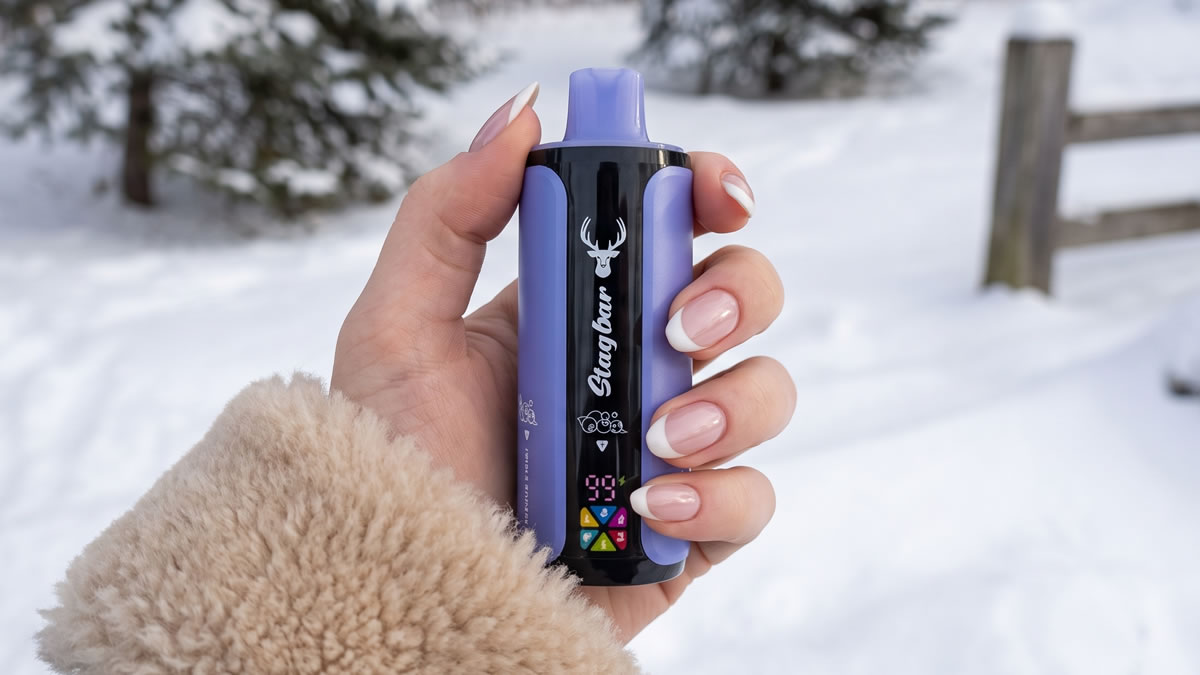
Single-use vapes are pre-charged, pre-filled devices designed for immediate use without refilling or recharging. While they offer operational simplicity, their integrated lithium-ion batteries and non-recyclable plastic shells create resource management and waste concerns.
4. Tobacco-Free Nicotine Pouches
Nicotine pouches contain plant fibers, food-grade flavorings, and purified nicotine salts packed into small, porous sachets. Placed under the upper lip, they release nicotine through the oral mucosa without any aerosol generation, heating elements, or inhalation.
| Category | Core Technology | Consumable Type | Primary Distinction |
|---|---|---|---|
| Heat-not-Burn | Controlled electrical heating (250–350 °C) | Processed tobacco sticks | Retains natural tobacco flavor without ash or combustion |
| Refillable Vapes | Wick and coil vaporization | Bottled e-liquid or pre-filled pods | Tobacco-free, highly customizable flavors and nicotine strengths |
| Disposable Vapes | Draw-activated integrated coil | Internal pre-filled liquid reservoir | Zero maintenance, but poses battery recycling challenges |
| Nicotine Pouches | Oral mucosal absorption | Porous plant-fiber sachets | Non-inhalable, discreet, and completely smoke/vapor-free |
Health Evaluations and Harm Reduction
Public health institutions assess smoke-free products through the lens of tobacco harm reduction. Because no alternative is completely free of risk, evaluating these systems requires distinguishing relative risk from absolute risk.
In landmark reviews, public health bodies such as the UK Health Security Agency (formerly Public Health England) estimated that regulated e-cigarettes expose users to up to 95% fewer toxic chemicals than combustible cigarettes. While long-term epidemiological studies remain ongoing, laboratory assays confirm that removing combustion substantially lowers toxicant intake.
However, health agencies emphasize several critical considerations:
- Nicotine Retention: All modern nicotine products maintain chemical dependence. Switching devices replaces toxic combustion byproducts but does not treat nicotine addiction itself.
- Dual Use: Concurrent smoking and vaping eliminates the health advantages of harm reduction. Health gains only occur when users completely replace combustible tobacco.
- Abstinence Standards: The World Health Organization (WHO) maintains that complete cessation of all nicotine products remains the standard for health protection.
Legal Controls and Youth Protection
Regulatory frameworks in the European Union balance adult access for harm reduction against strict youth prevention. In Germany, the Protection of Young Persons Act (Jugendschutzgesetz) prohibits the sale of all e-cigarettes, heated tobacco devices, and related accessories to individuals under 18 years of age, regardless of whether the product contains nicotine.
Due to rising youth use, European policymakers are evaluating additional market restrictions, including flavor limitations, uniform plain packaging, and potential bans on single-use disposable devices to mitigate environmental waste.