
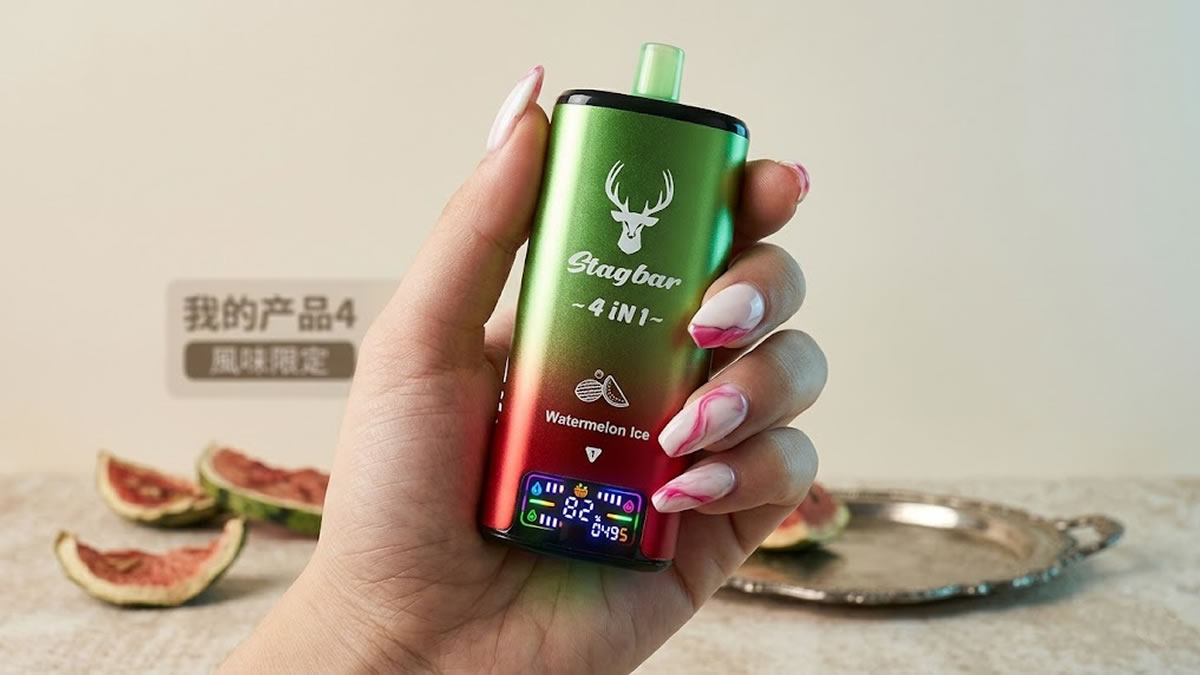
The Food and Drug Administration (FDA) has officially authorized fruit-flavored e-cigarettes for the first time, approving products from Los Angeles-based manufacturer Glas. This landmark decision, reportedly driven by direct pressure from President Trump, has ignited a fierce debate among public health experts regarding harm reduction, youth vaping risks, and the politicization of scientific review.
The newly authorized products include tobacco and menthol options, alongside "Gold" and "Sapphire"—pseudonyms for mango and blueberry flavors. According to Andrew Nixon, a spokesperson for the Department of Health and Human Services, the FDA’s scientific review concluded that the company’s mandatory age-gated technology is expected to effectively mitigate youth uptake.
| Product Name | Flavor Profile | Nicotine Concentration |
|---|---|---|
| Gold | Mango | 50 mg/mL (5%) |
| Sapphire | Blueberry | 50 mg/mL (5%) |
| Classic Menthol | Menthol | 50 mg/mL (5%) |
| Fresh Menthol | Menthol | 50 mg/mL (5%) |
Before the Glas e-cigarettes can be used, consumers must pair the device with a smartphone and upload a selfie alongside valid identification. The vape will only function when in close proximity to the paired smartphone. Jonathan Foulds, co-director of the Penn State Center for Research on Tobacco and Health, noted that while this will effectively prevent youth use, the inherent hassle may make the product less popular among adults.
The authorization process itself has drawn significant scrutiny. According to reports from the Wall Street Journal, FDA Commissioner Marty Makary initially opposed the move due to public health concerns, despite career scientists signing off on the application. However, after President Trump reportedly admonished Makary and urged him to approve the products, the authorization proceeded.
Makary defended the agency's scientists, stating, "The feeling of the scientists at the agency was that age-gating technology is solid and that would limit the vaping to adults. I was skeptical initially, but that’s their view." He declined to address whether he discussed the matter directly with the President, pivoting instead to the urgent need to crack down on the illegal, unregulated Chinese vapes that currently dominate the U.S. market.
The apparent executive interference has alarmed former agency officials. Mitch Zeller, former head of the Center for Tobacco Products, expressed grave concern over the politicization of the process, stating that "science-based application review should be held sacrosanct."
Within the public health community, the decision has exposed a deep rift regarding the role of flavored e-cigarettes in harm reduction:
- Proponents of Harm Reduction: Experts like Michael Siegel, a professor at Tufts University School of Medicine, argue that flavored vapes are highly effective for smoking cessation. Because fruit flavors do not remind users of combustible cigarettes, they reduce the likelihood of relapse. Siegel also emphasized the necessity of a regulated market, noting that 70% of e-cigarettes currently sold in the U.S. are illegal.
- Opponents and Skeptics: Critics point to the Juul-fueled crisis of the late 2010s, where sweet flavors drove youth vaping rates to a peak of 20% in 2019. Tim McAfee, former head of the CDC's Office of Smoking and Health, argued that renaming flavors to "Gold" and "Sapphire" does not change their underlying appeal to minors.
Anti-smoking organizations have issued mixed reactions to the news. The American Lung Association condemned the decision as "reckless," and the Campaign for Tobacco-Free Kids warned it risks a resurgence in youth vaping. Conversely, the Truth Initiative adopted a more moderate stance, suggesting the Glas technology will serve as a critical test case for balancing youth prevention with providing adult smokers an off-ramp from combustible cigarettes.
The authorization represents a significant departure from the FDA's March draft guidance, which placed a high burden of proof on manufacturers of fruit and candy flavors, stating they "pose a substantial public health risk." While many experts agree that finding a way to make flavored vapes available to adults while restricting youth access is a positive goal, the alleged executive interference in the FDA's scientific process remains a point of deep contention.


